
I’ve never owned a Yamaha motorcycle.
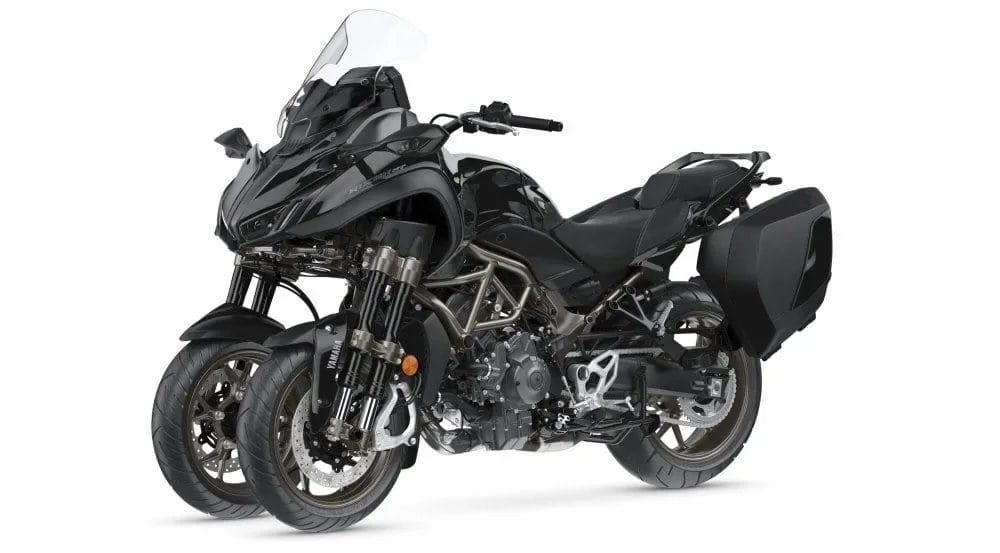
Not by choice—just how things worked out. My previous bikes were a Suzuki and two Kawasakis. But now that I’m obsessed with the Niken GT (discontinued, naturally), I’ve been deep-diving into Yamaha’s history.
And honestly? The more I learn, the more impressed I am.
Yamaha doesn’t play it safe. They built a three-wheeled sport-tourer that nobody asked for. They’re now making bikes with automatic/manual transmissions. They started as a piano company and somehow became motorcycle legends.
This is that story.
From Pianos to Motorcycles (Yes, Really)
Yamaha Corporation started in 1887 making musical instruments—specifically reed organs and pianos. For decades, that was the business.
Then in 1950, Genichi Kawakami became president. He looked around at post-war Japan, saw idle machinery from aircraft propeller production, and thought: “We should make motorcycles.”
Bold move for a piano company.
In 1955, Yamaha Motor Company was established as a separate entity. Their philosophy from day one: “If you’re going to do something, be the best.”
That ambition shows up repeatedly throughout Yamaha’s history—sometimes to great success, sometimes to commercial failure, but always with commitment to doing something interesting.
What drew you to Yamaha motorcycles—or what keeps you away from them?
The First Bike: YA-1 (1955)
Yamaha’s first motorcycle was the YA-1—a 125cc, air-cooled, two-stroke single-cylinder bike.
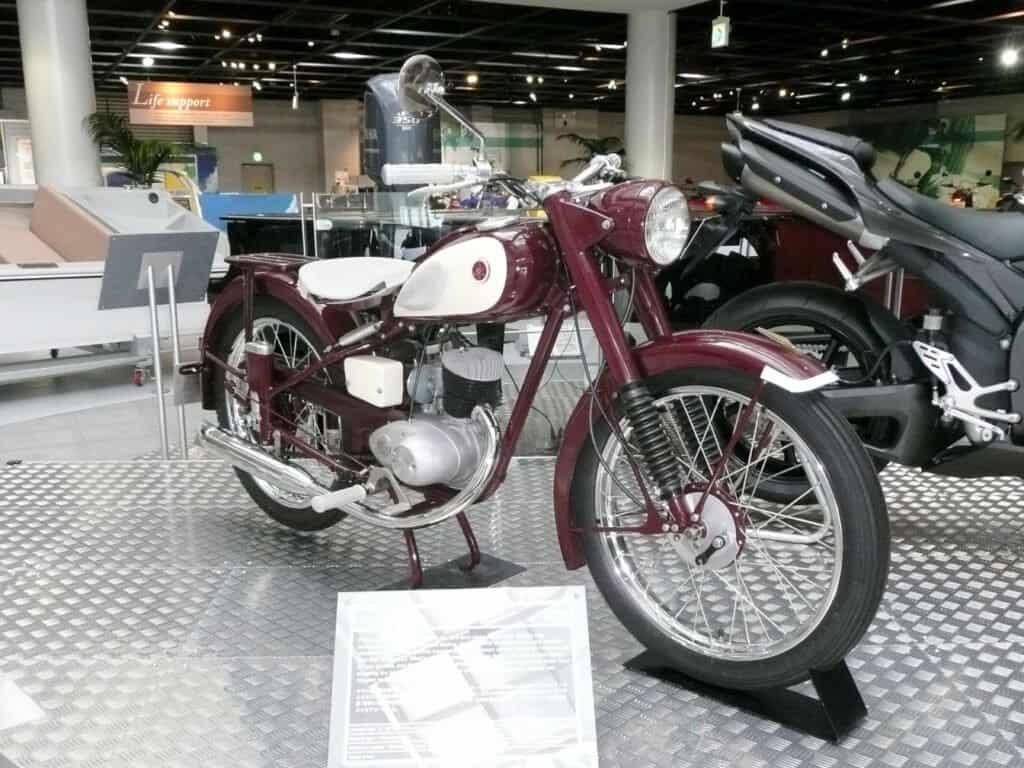
Before releasing it, they put it through a brutal 10,000 km endurance test. It survived.
Then, just 10 days after Yamaha Motor Company was founded, the YA-1 won the 125cc class at the Mount Fuji Ascent race on July 10, 1955.
That set the tone: Yamaha entered the motorcycle world by immediately proving they could compete.
The YA-1 became known as the “Red Dragonfly” and established Yamaha’s reputation for building reliable, competitive machines. It wasn’t the most powerful bike on the market, but it worked, and it won races.
The Tuning Fork Logo (1961)
In 1961, Yamaha introduced their now-iconic tuning fork logo.
It’s a callback to their musical instrument roots—the tuning fork represents precision, harmony, and attention to detail. Those qualities supposedly transferred from piano-making to motorcycle engineering.
Whether you believe that or not, the logo stuck. It’s now one of the most recognizable symbols in motorcycling.
Racing Legacy: Where Yamaha Proved Themselves
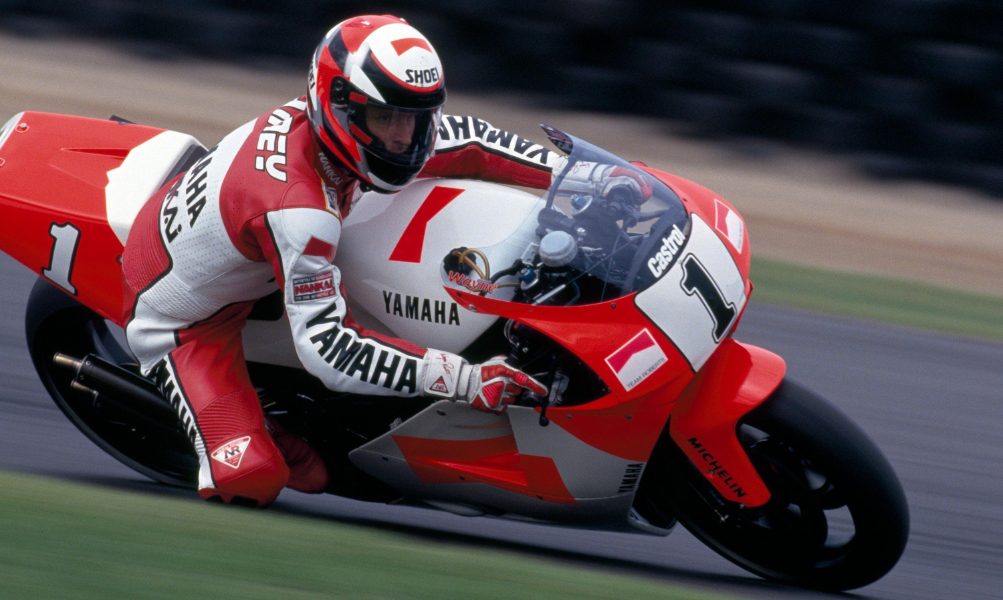
Yamaha has always used racing to develop technology and prove their bikes work under extreme conditions.
Some highlights:
Kenny Roberts – First American to win a Grand Prix world championship (1978-1980, riding for Yamaha)
Wayne Rainey – Three consecutive 500cc world titles (1990-1992)
Valentino Rossi – Four MotoGP championships with Yamaha (2004-2005, 2008-2009)
These weren’t just marketing wins. Racing pushed Yamaha to develop technologies that made it into production bikes:
- EXUP system (Exhaust Ultimate Power Valve) – optimizes exhaust flow across RPM ranges
- Deltabox frame – lightweight aluminum frame design that became a Yamaha signature
- Crossplane crankshaft – unconventional firing order that improves traction and control
Yamaha’s racing success validated their engineering approach: build it, test it under the most demanding conditions possible, refine it, then sell it to consumers.
Do you follow motorcycle racing, or does it not interest you?
Iconic Models Through the Decades
Yamaha has produced some genuinely legendary motorcycles:
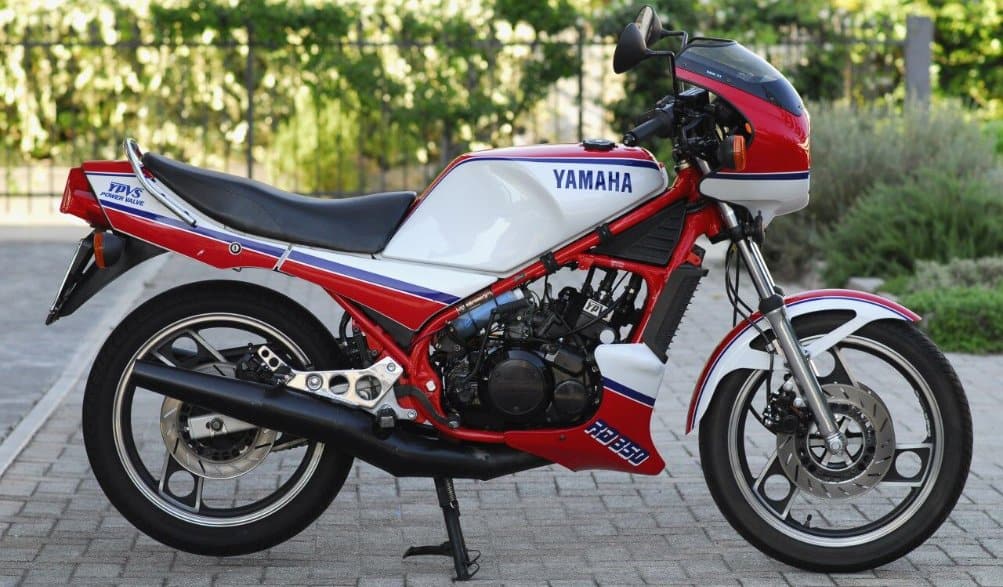
RD350 (1970s-1980s) – Two-stroke performance bike that became a cult classic. Light, fast, temperamental. People still talk about these.
FZR1000 (1987) – Introduced the aluminum Deltabox frame. Set new standards for sportbike handling.
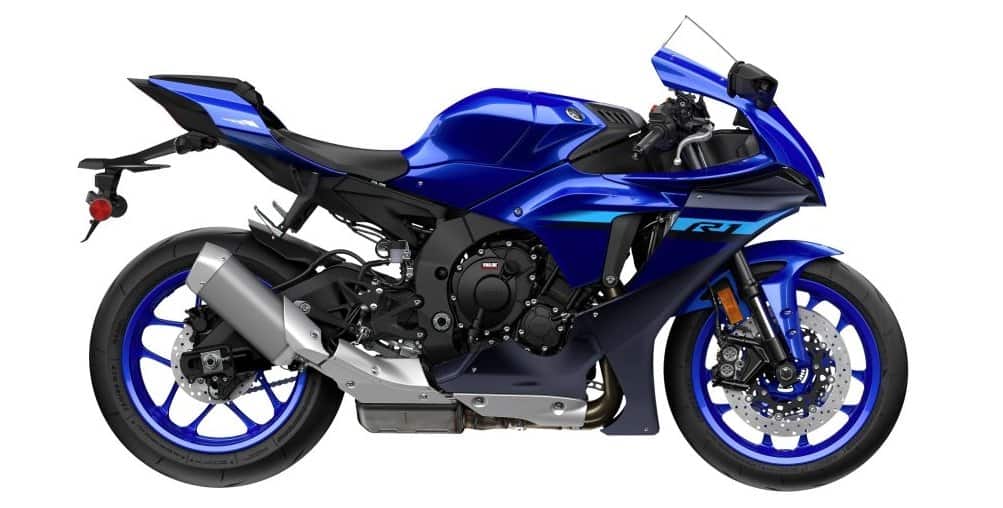
YZF-R1 (1998) – Redefined the liter-bike category. Lightweight, powerful, sharply handling. Became the benchmark others tried to beat.
MT-09 (2013) – Naked bike with Yamaha’s CP3 triple-cylinder engine. Affordable, characterful, fun. Massive success.
Niken (2018) – Three-wheeled leaning sport-tourer with dual front wheels. Commercially unsuccessful but engineering fascinating.
Each of these pushed boundaries in some way—performance, design, technology, or just sheer weirdness (looking at you, Niken).
Technical Innovation: Yamaha’s Engineering Obsessions
Yamaha has consistently developed technologies that other manufacturers eventually adopted:
Autolube System (1963) – Automatic oil injection for two-stroke engines. Made maintenance easier.
Monocross Suspension (1970s) – Single rear shock design that improved handling and reduced weight.
YCCT (Yamaha Chip Controlled Throttle) – Early electronic throttle control for better response and fuel efficiency.
LMW (Leaning Multi-Wheel) System – The dual-front-wheel technology used on the Niken and Tricity scooters. Mechanical genius that the market didn’t fully embrace.
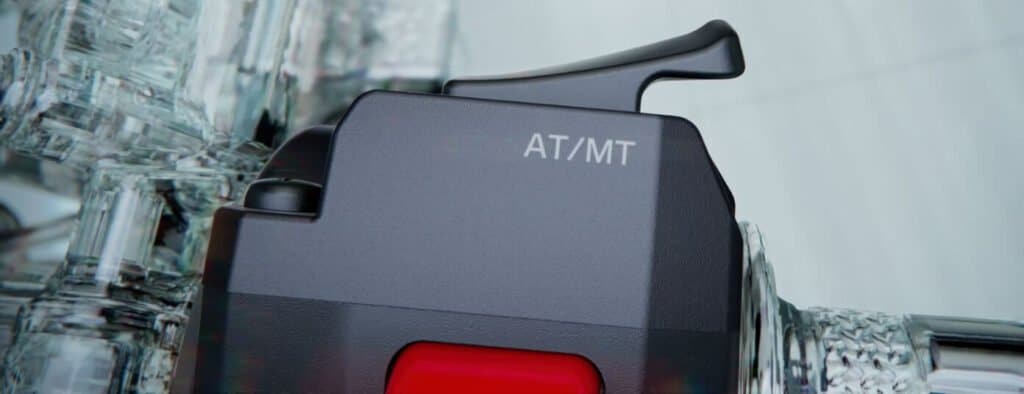
Y-AMT (Yamaha Automatic Manual Transmission, 2024) – Automatic transmission that you can also shift manually. Currently on the MT-09. Bold, weird, very Yamaha.
Not all of these innovations became commercial hits. But Yamaha keeps trying new things, which is rare in an industry that often plays it safe.
What Yamaha technology or feature do you wish other manufacturers would adopt?
Why Yamaha Keeps Taking Risks
Here’s what strikes me about Yamaha’s history: they’re willing to fail trying something interesting.
The Niken didn’t sell well. Yamaha built it anyway because they believed the LMW technology was worth developing.
The Y-AMT transmission is controversial—many riders hate the idea of automatic shifting. Yamaha built it anyway because they think some riders will appreciate it.
Not every experiment succeeds commercially. But Yamaha’s willingness to take risks has given us some of motorcycling’s most innovative (and occasionally bizarre) machines.
Compare that to manufacturers who just iterate slightly on the same designs year after year. Yamaha at least tries things.
Sustainability Efforts (Because It Matters Now)
Yamaha is investing in electric motorcycle development, though they’re not rushing to abandon combustion engines.
They’re also focusing on:
- Reducing manufacturing waste
- Using renewable energy in production facilities
- Developing hybrid systems
- Improving fuel efficiency across their range
They’re not the industry leader in electrification (that’s probably Zero or some of the European brands), but they’re making moves in that direction while still supporting their traditional lineup.
Global Presence
Yamaha operates in over 180 countries with production facilities in Japan, the USA, Thailand, Indonesia, India, and elsewhere.
They’re the second-largest motorcycle manufacturer globally (behind Honda), producing millions of units annually across all categories—sportbikes, cruisers, adventure bikes, scooters, off-road machines.
That scale gives them resources to experiment. When the Niken flopped commercially, it didn’t sink the company. They absorbed the loss and moved on.
The Future: Electric and Automatic
Yamaha’s current direction includes:
Electric motorcycles – Development ongoing, though no major releases yet in the sport/touring segment
Y-AMT transmission expansion – If the MT-09 Y-AMT succeeds, expect to see it on other models
Advanced rider aids – Radar-based safety systems, improved traction control, electronic suspension
Continued combustion development – They’re not abandoning traditional engines while electrification matures
Whether any of this succeeds commercially is unclear. But it’s consistent with Yamaha’s history: try new things, see what works, refine what doesn’t.
Would you buy an electric Yamaha, or do you prefer traditional engines?
Why I Respect Yamaha (Even Though I’ve Never Owned One)
I’ve never owned a Yamaha. But researching their history for this Niken obsession has given me serious respect for the company.
They take risks. They innovate. They race to prove their technology works. They build weird bikes like the Niken that don’t make commercial sense but represent genuine engineering ambition.
Not every manufacturer does this. Some just chase market trends and optimize profit margins. Yamaha seems to actually care about pushing motorcycling forward, even when the market doesn’t reward them for it.
The Niken failed commercially. But I’m glad Yamaha built it anyway. It proved something could be done, even if most riders didn’t want it.
That’s the kind of company worth supporting—one that takes chances and builds interesting machines, not just safe bets.
Are you a Yamaha rider? What made you choose them? Or if you’ve avoided Yamaha, why?