
I seized the engine on my first bike.
Suzuki GS125 ES. It needed a new piston and valves. I’m still not entirely sure if it was my fault—maybe I missed oil changes, maybe the previous owner thrashed it—but either way, I learned that maintenance isn’t optional.
The thing is, most of us don’t think about maintenance until something breaks. We just want to ride. Checking fluids and inspecting chains feels like homework when all we want is the open road.
But here’s what I’ve learned: maintenance isn’t about being a perfectionist. It’s about not getting stranded, not crashing because something failed, and not paying thousands for repairs that could have been prevented.
The Mindset Shift
When I was younger, I saw maintenance as a chore—something getting in the way of riding.
Now? I see it as insurance. Five minutes checking tire pressure and oil level means I’m not calling for a tow truck later. Cleaning and lubricating the chain means it won’t break mid-ride.
Maintenance is what lets you actually enjoy riding instead of constantly worrying whether your bike is going to make it home.
Have you ever had a breakdown that could have been prevented with basic maintenance?
What You Can (and Should) Do Yourself
I’m not a mechanic. I’m comfortable with basic tasks, but I know my limits.
Things I’ll do:
- Check tire pressure and condition
- Change oil (it’s easier than it seems)
- Clean and lube the chain
- Check brake pad wear
- Top up fluids
- Inspect for obvious problems
Things I pay professionals for:
- Valve adjustments
- Suspension work
- Electrical issues
- Anything I’m unsure about
There’s no shame in paying someone who knows what they’re doing. Pride is expensive when you botch a repair.
The key is knowing which category a task falls into. If you’re confident and have the right tools, DIY saves money. If you’re guessing, pay the expert.
What’s the most advanced maintenance you’ve done yourself—and did it go well?
Your Owner’s Manual Knows More Than I Do
Everything I say here is general advice. Your specific bike has specific requirements.
Oil type. Change intervals. Tire pressure. Torque specs. It’s all in your owner’s manual.
Don’t have the physical book? Download a PDF to your phone. It’s more useful than any generic blog post (including this one).
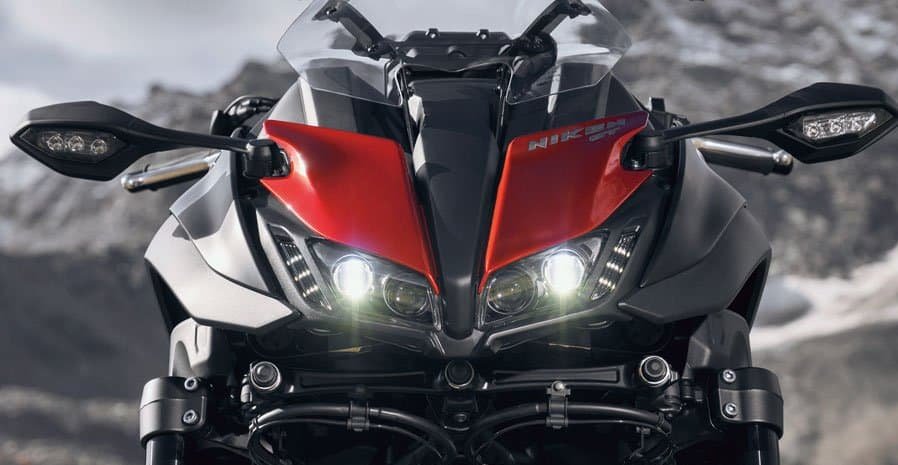
For example, the 2023 Yamaha Niken GT needs its first oil change at 1,000 km, then every 6,000 km. Air filter replacement every 40,000 km. Valve clearance check every 40,000 km.
Your bike’s schedule will differ. Follow it.
The Tasks That Actually Matter
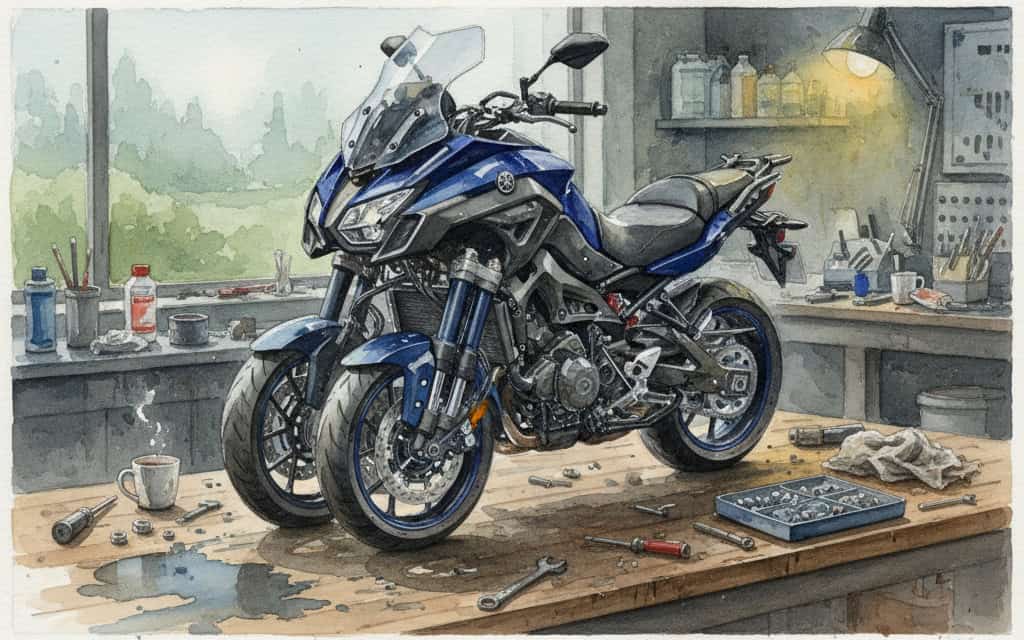
I’m not going to walk you through how to change oil or adjust chain tension—there are better resources for that, including posts on this site about changing tires and fixing punctures.
Instead, here’s what matters from a safety and reliability perspective:
Tires: They’re your only contact with the road. Check pressure weekly. Inspect for wear and damage. Replace when needed. This isn’t negotiable.
Brakes: If your brake pads are worn, your stopping distance increases. If brake fluid is old or contaminated, effectiveness drops. Check regularly. Fix immediately if there’s a problem.
Chain (if applicable): A poorly maintained chain wears out sprockets, reduces power transfer, and can break. Keep it clean, lubricated, and properly tensioned.
Oil: Engine oil breaks down over time. Old oil doesn’t protect your engine. Change it per your manual’s schedule, not when you feel like it.
Battery: A dead battery is inconvenient. A failing electrical system while riding is dangerous. Check voltage occasionally, keep terminals clean.
Everything else is important too, but these five things will prevent most problems.
Which maintenance task do you procrastinate on most?
When Professional Help Is Worth It
Some jobs require specialized tools, knowledge, or experience I don’t have.
Valve clearance checks? That’s a professional job unless you really know what you’re doing. It’s also expensive, which is why many bikes get sold right before they’re due for valve service.
Suspension work? Unless you understand damping, rebound, compression settings—leave it to someone who does.
Electrical diagnostics? Chasing down intermittent electrical problems is frustrating even for professionals.
I’d rather pay someone competent than spend a weekend guessing and potentially making things worse.
The Record-Keeping Part Nobody Likes (But Should Do)
Whether you do the work yourself or pay a shop, document it:
- Date
- Mileage
- What was done
- Receipts
This helps you:
- Remember when things are due
- Troubleshoot new problems
- Maintain warranty coverage
- Prove service history when selling
I use a simple app for this. Some people keep a notebook with the bike. Whatever works, just do it.
What Happens When You Don’t
My seized engine taught me this lesson early. But I’ve also seen:
- Chains breaking mid-ride
- Worn brake pads that didn’t stop in time
- Tire blowouts from running underinflated for months
- Batteries dying in inconvenient places
None of this is dramatic or exciting. It’s just expensive, frustrating, and sometimes dangerous.
Maintenance prevents problems. That’s literally the point.
What’s the worst breakdown or mechanical failure you’ve experienced?
My Honest Take
I don’t love maintenance. I don’t find cleaning chains therapeutic or get excited about oil changes.
But I do love riding without worrying whether my bike is going to fail. I love not being stranded. I love not paying for expensive repairs that basic maintenance would have prevented.
Maintenance is the price of reliable riding. You can pay for it with time and small amounts of money now, or pay for it with much larger amounts of money and frustration later.
I haven’t ridden in years (financial and circumstantial reasons), but when I do get back on a bike, the first thing I’ll do is go through it systematically. Check everything. Fix what needs fixing. Make sure it’s safe and reliable.
Because the goal isn’t to become a master mechanic. The goal is to ride confidently, knowing your bike won’t let you down.
What maintenance lessons have you learned the hard way?