April 21, 2024. That’s the day Yamaha broke my heart.
I woke up, grabbed my coffee, and saw the news: they were killing off the Niken. Just like that. Done. No more three-wheeled weirdness rolling off the production line.
And the timing was brutal. They’d just given it a massive update in 2023—new engine, fresh looks, all these improvements that made it better than ever. Then boom: “Thanks for playing, but we’re out.”
It felt like watching someone cancel your favorite show right after the best season.
Why Did They Kill It?
Yamaha didn’t exactly publish a manifesto explaining their decision, but we can read the tea leaves:
It didn’t sell. Plain and simple. Despite being brilliant, despite the owner enthusiasm, despite everything it offered—people just didn’t buy enough of them.
At around £16,000 for the GT, it cost more than most sport-touring bikes with similar performance. You could get a Tracer 9 GT for less. A BMW F 900 XR for less. The Niken asked people to pay premium money for something that looked weird and that most riders had never even heard of.
People judged it without riding it. The internet had opinions: “It’s for old people who can’t balance.” “It’s not a real motorcycle.” “It looks ridiculous.”
I’ve read forum threads where people who’d never swung a leg over one absolutely knew it was terrible. Meanwhile, nearly every owner review says the same thing: “I didn’t get it until I rode it.”
It was too different. Motorcyclists—and I say this with love—can be conservative. We like our two wheels, our traditional shapes, our heritage. The Niken said “What if we did something completely different?” and a lot of people said “No thanks, I’m good.”
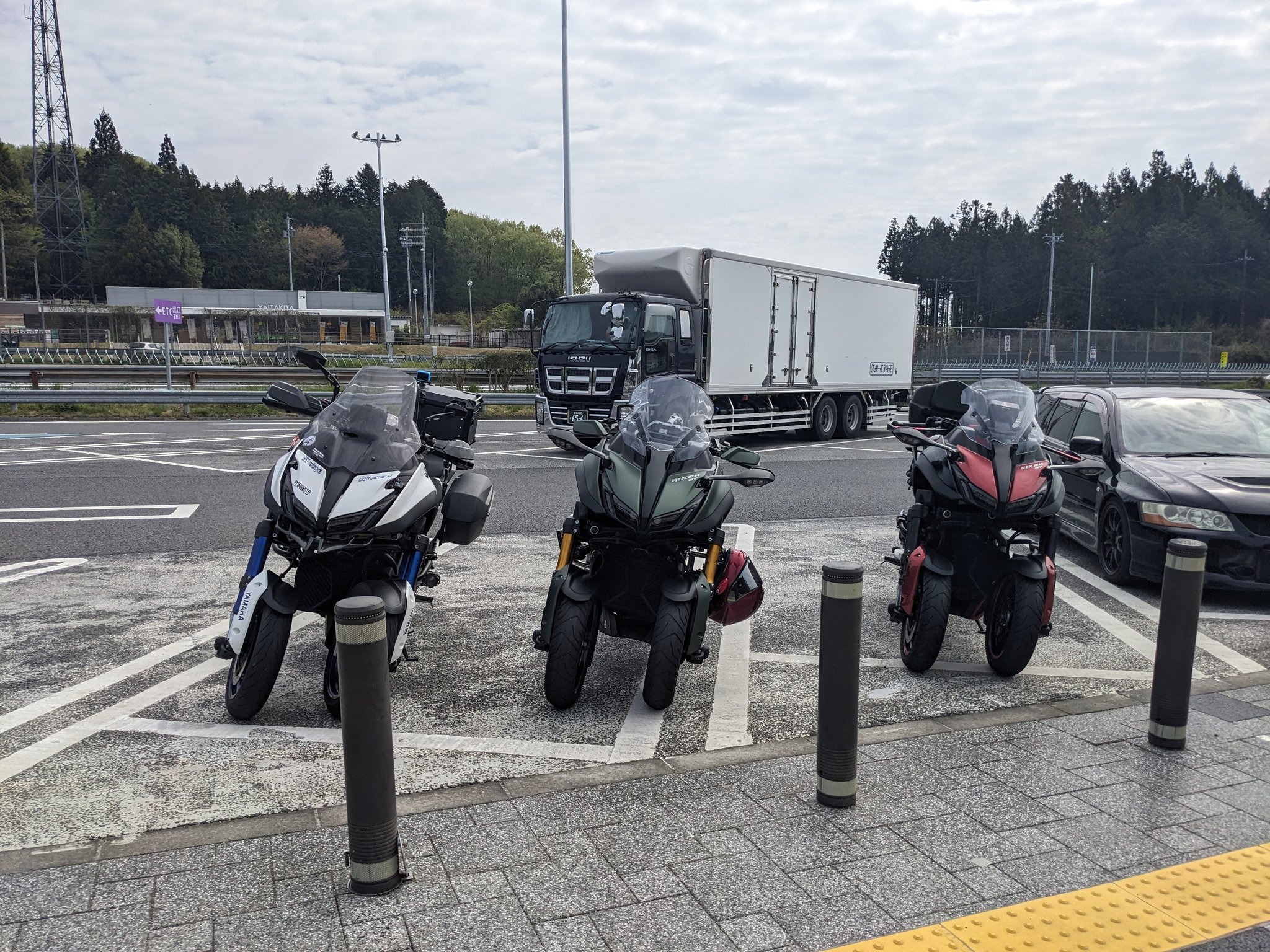
The weight didn’t help either. At 270kg wet, it’s a big beast. Low-speed maneuvering takes muscle. Parking takes planning. It’s not a bike for everyone—but it was never meant to be.
The Business Reality
Yamaha’s not a charity. They’ve got electric development to fund, emissions regulations to meet, and a whole lineup to support. Keeping a low-volume, complex-to-manufacture motorcycle alive doesn’t make business sense when resources are tight.
The Niken’s front end required specialized manufacturing. Unique components. Different processes. All for a bike that was selling in hundreds, not thousands.
I get it. I don’t like it, but I get it.
Why It Still Matters (Even Though It’s Dead)
Here’s the thing: the Niken failing commercially doesn’t make it less important.
It proved something could be done. Yamaha built a production leaning three-wheeler that actually worked—that felt like a motorcycle, handled like a motorcycle, but gave you grip and stability that no two-wheeler could match. That’s not trivial. That’s engineering.
It challenged assumptions. Before the Niken, “three wheels” meant trikes for people who couldn’t ride anymore. The Niken said “What if three wheels could be better for certain conditions?” It didn’t win that argument commercially, but it made people think.
It expanded possibilities. For the people who bought them, the Niken meant riding in conditions where they might have parked a conventional bike. Wet roads. Cold mornings. Sketchy surfaces. It gave them confidence to keep riding.
And yeah, it’s going to be a collector’s item. A weird, wonderful footnote in motorcycle history. The bike that was too strange for its own good but too good to forget.
The LMW Tech Lives On (Sort Of)
Yamaha’s still using Leaning Multi-Wheel technology in the Tricity scooters. The urban commuter market appreciates what sport-touring riders rejected: stability without sacrificing lean.
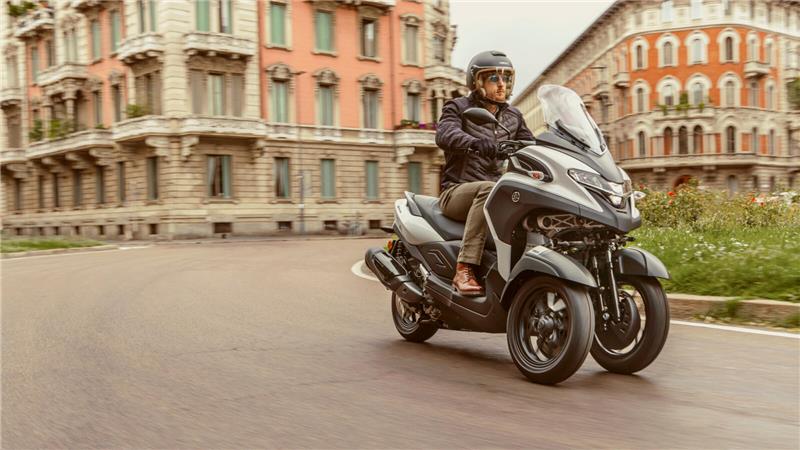
Maybe that’s where it belongs. Maybe the Niken was the right idea in the wrong package. Maybe in 10 years, someone will figure out how to make three-wheeled sport bikes work commercially.
Or maybe not. But at least Yamaha tried.
For Those of Us Who Still Want One
If you already own a Niken, congratulations—you’re part of an exclusive club that’s never getting any bigger.
If you’re considering buying one of the remaining new units or a used example, know this: Yamaha supports discontinued models for years. Parts will be available. Service will be available. You’re not buying an orphan—you’re buying a limited edition.
And sites like this one? We’re not going anywhere. The community might be small, but it’s dedicated.
The Bottom Line
The Niken didn’t fail because it was bad. It failed because it was too weird for most people and too expensive for the people who might have appreciated the weirdness.
But “commercial failure” and “important motorcycle” aren’t mutually exclusive. The Niken pushed boundaries. It tried something genuinely new. It proved that innovation in motorcycling doesn’t have to mean incremental improvements to the same old format.
Yamaha took a risk. The market said no. But I’m glad they tried.
And yeah, if circumstances shift and I end up back in the UK helping my Dad, I’m still talking to dealers there. A used Niken GT is still on my radar. Because even though they killed it, I’m not over it yet.
Are you a Niken owner? How did you feel when you heard the news? Still hunting for one like me? Drop a comment—I’d love to hear your story.